
Discover the root causes of chronic inflammation, how it impacts your cells, and ways to reduce and reverse it.
Cellular inflammation is a normal part of the body’s defense system, but when it becomes chronic, it can disrupt nearly every system in the body.
This low-grade, persistent inflammatory response is now linked not only to long-term conditions like autoimmune diseases and metabolic dysfunction, but also to ongoing symptoms like fatigue, brain fog, pain, and heightened sensitivity that many patients struggle to explain.
In this article, you’ll learn what causes cellular inflammation, how it affects your cells and tissues, and what you can do to reduce and reverse it.
Key Takeaways
- Cellular inflammation begins as a protective immune response, but can become harmful when chronic
- Common causes include toxins, infections, poor diet, and chronic stress
- Persistent inflammation disrupts healthy cells and contributes to chronic disease
- Addressing root triggers—not just symptoms—is key to long-term healing
- Lifestyle changes and targeted therapies can help restore cellular balance
What Is Cellular Inflammation?
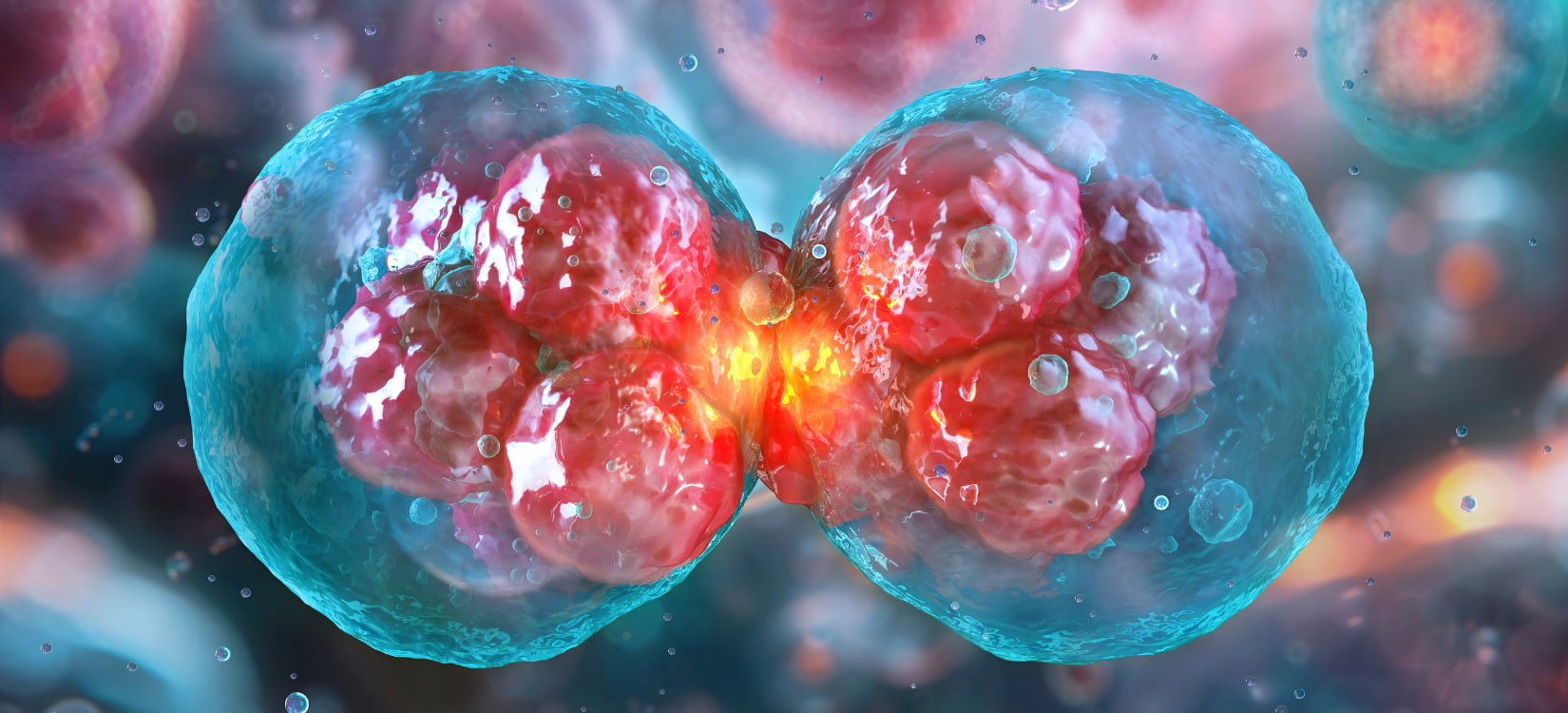
Cellular inflammation refers to the body’s immune response at the level of individual cells and tissues. When the body detects an invader — such as bacteria, viruses, or toxins — white blood cells are activated to protect and repair. These cells release cytokines, a type of protein that signals inflammation and coordinates the healing process.
This inflammatory response is essential for survival. However, when it becomes dysregulated, it can begin to damage healthy cells instead of protecting them.
How Cellular Inflammation Works
There are two main types of inflammation: acute inflammation and chronic inflammation.
Acute inflammation is short-term and beneficial. It occurs after injury or infection and helps the body heal. You might notice redness, swelling, or pain—signs that your immune system is working.
Chronic inflammation, on the other hand, is a long-term, low-grade inflammation that persists even in the absence of an immediate threat. Instead of resolving, the inflammatory processes stay active, continuously releasing cytokines and other inflammatory markers.
Over time, this ongoing activation disrupts communication between cells and tissues. This is often where patients begin to experience widespread, hard-to-explain symptoms. Especially when the inflammatory processes are not being addressed at the root.

Primary Causes of Cellular Inflammation
Understanding what causes cellular inflammation is key to addressing it effectively. Common root triggers include:
- Toxins and environmental exposure: Heavy metals, mold, and chemicals can disrupt cellular function and drive a persistent inflammatory response.
- Chronic infections: Ongoing exposure to pathogens keeps the immune system activated
- Poor diet: Processed foods, sugar, and unhealthy fats can lead to inflammation
- Gut dysfunction: Imbalances in the gut microbiome can trigger immune activation
- Chronic stress: Prolonged stress increases inflammatory signaling
- Metabolic dysfunction: Insulin resistance and blood sugar instability contribute to inflammation
These causes of inflammation often overlap, creating a cycle that continuously leads to inflammation at the cellular level.
Signs of Cellular Inflammation
Cellular inflammation doesn’t always show up clearly on standard labs, but it often presents through symptoms such as:
- Persistent fatigue or low energy
- Brain fog or difficulty concentrating
- Joint pain or stiffness (common in rheumatoid arthritis and arthritis)
- Muscle aches or chronic pain
- Digestive issues like bloating or food sensitivities
- Skin problems such as rashes or acne
- Increased sensitivity to supplements or medications
- Frequent infections or slow healing
- Mood changes, including anxiety or irritability
- Hormonal imbalances
These symptoms reflect disruptions in cells and tissues and often indicate deeper inflammatory processes.

Long-Term Effects of Chronic Inflammation
When inflammation becomes chronic, it can have widespread effects on the body. Over time, persistent immune activation damages healthy cells and interferes with normal cellular signaling.
This can contribute to well-known conditions such as autoimmune diseases or present as ongoing, unresolved symptoms across multiple systems. Chronic inflammation also affects mitochondrial function, reducing energy production and leading to fatigue and poor recovery.
Additionally, long-term inflammation can alter receptor sensitivity, meaning cells no longer respond properly to signals like hormones or nutrients. This breakdown in communication further drives dysfunction and is often why patients feel like their body is “not responding” to treatments the way it should.
Ultimately, chronic inflammation creates a cycle where the body struggles to heal, making symptoms more persistent and harder to resolve, and increasing the risk of multiple inflammatory diseases.
How to Reduce Cellular Inflammation Naturally
Reducing inflammation starts with addressing underlying triggers and supporting the body’s natural healing systems:
- Optimize nutrition: Focus on whole, anti-inflammatory foods that support healthy cells
- Support detox pathways: Reducing toxin exposure and supporting elimination is essential, especially when environmental factors are involved
- Improve gut health: A balanced microbiome plays a key role in regulating the immune response
- Manage stress: Chronic stress drives inflammatory processes, so nervous system regulation is critical
- Prioritize sleep: Sleep supports repair, lowers inflammatory markers, and restores immune balance
- Targeted therapies: Supportive treatments such as IV nutrient therapy or red light therapy may help reduce inflammation and support cellular recovery
Consistency matters. Small, sustained changes are what lead to long-term improvement.

How to Reverse Cellular Inflammation
Reversing cellular inflammation requires a root-cause, systems-based approach:
Root Triggers
You have to identify what’s driving the inflammation—whether it’s toxins, infections, or metabolic dysfunction. Without addressing these, inflammation will persist.
The Gut Microbiome
The gut plays a central role in immune regulation. Restoring balance here can significantly reduce inflammatory signaling across cells and tissues.
Restore Cellular Balance
Supporting the integrity of the cell membrane and improving cellular signaling is essential. Approaches like cell membrane stabilization are designed to help restore proper communication between cells and improve overall function.
Lower Chronic Stress Response
Chronic stress keeps the body in a constant inflammatory state. Regulating the nervous system helps calm the immune response.
Improve Metabolic Health
Balancing blood sugar and improving insulin sensitivity reduces one of the key drivers of chronic inflammation.
Sleep and Recovery
Deep, consistent sleep allows the body to repair damaged tissue and regulate inflammatory processes.
Anti-Inflammatory Compounds
Targeted nutrient support—whether through diet or therapies—can help reduce inflammation and support resilience at the cellular level.
Consistency
This is where most people struggle. If your body has been inflamed for years, it takes consistent, layered support to unwind that pattern.
What Research is Being Done?
Research into cellular inflammation continues to expand, particularly in immunology and metabolic health. Scientists are exploring how cytokines, inflammatory markers, and the gut microbiome influence chronic disease progression.
There is also growing interest in therapies that support cellular function directly, including mitochondrial health, immune modulation, and regenerative approaches. Treatments that improve cellular signaling and reduce inflammation—such as targeted light-based therapies and nutrient delivery methods—are being studied for their role in supporting long-term recovery.
Conclusion
Cellular inflammation is a foundational issue in many chronic conditions, often developing quietly over time. Understanding what causes cellular inflammation allows you to move beyond symptom management and begin addressing the root drivers. With the right approach, it is possible to reduce inflammation, restore cellular function, and support long-term health.
If you’re dealing with persistent symptoms and suspect inflammation may be at the root, it’s time to look deeper. A personalized, cellular-level approach can help uncover what’s driving your symptoms and guide effective treatment. Explore your options and take the first step toward restoring your health.
References
- Medzhitov, R. (2008). Origin and physiological roles of inflammation
- Furman, D. et al. (2019). Chronic inflammation in the etiology of disease across the life span
- Calder, P. C. et al. (2017). Inflammatory processes and immune response
- Hotamisligil, G. S. (2006). Inflammation and metabolic disorders