Healing Chronic Illness: Why Your Body Reacts to Everything and Why Cellular Health Is Where We Start
If you are here, chances are you have already tried multiple treatments, seen numerous specialists, and been told your labs are normal. Symptoms persist anyway. Over time, chronic infections, inflammation, toxins, and immune stress can shift the problem from the original trigger to the cellular environment itself. When cells remain in survival mode, the body becomes less able to tolerate treatment, regulate immune signaling, and produce energy, no matter what is added to the protocol.
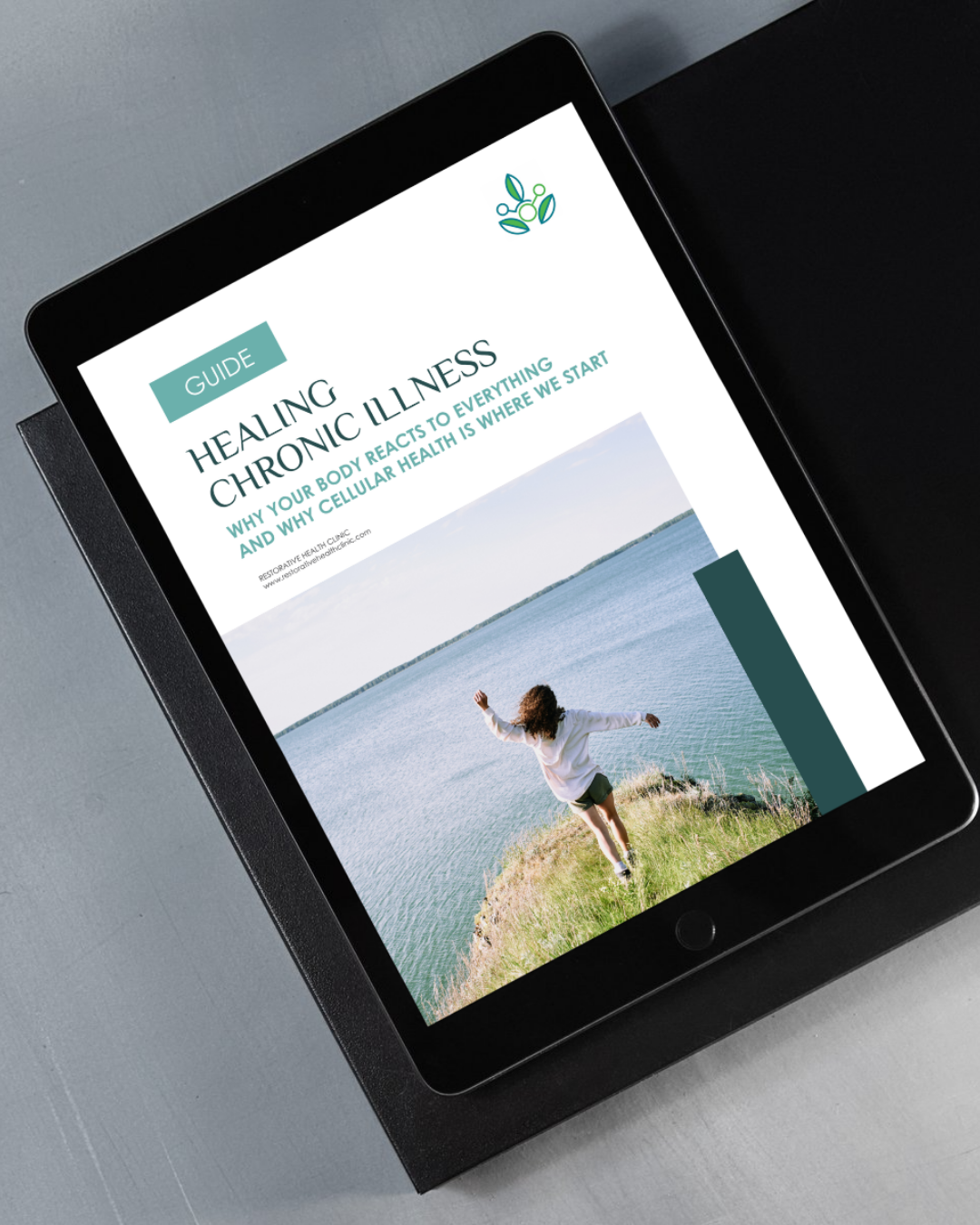
This guide explains the cellular mechanisms that often drive persistent symptoms in conditions like Lyme disease, POTS, MCAS, mold illness, and Long COVID.
- What the Cell Danger Response is and why cells can get stuck in a protective biological state
- How cell membrane damage disrupts immune signaling, hormone receptor activity, and detoxification
- Why mitochondrial dysfunction drives fatigue, brain fog, and poor recovery after exertion
- Why some patients react strongly to treatment and what that pattern may indicate about cellular readiness
- How stabilizing cellular function first can change how the body responds to deeper layers of therapy
- Practical dietary and lifestyle tools that support membrane repair and mitochondrial function at home