

When mitochondrial function is optimal, your cells are able to generate the energy needed for daily activity, repair, and recovery. When mitochondrial function is impaired, fatigue, inflammation, and chronic symptoms can persist.
Understanding how mitochondria work—and what disrupts them—can provide important insight into both health and disease.
Key Takeaways
- Mitochondria are responsible for cellular energy production in the form of ATP
- Mitochondrial dysfunction can contribute to fatigue, brain fog, and chronic illness
- Healthy mitochondria are essential for metabolic balance, detoxification, and repair
- Nutrients, lifestyle, and cellular environment all influence mitochondrial health
- Supporting mitochondria often requires addressing deeper cellular dysfunction
What Are Mitochondria?
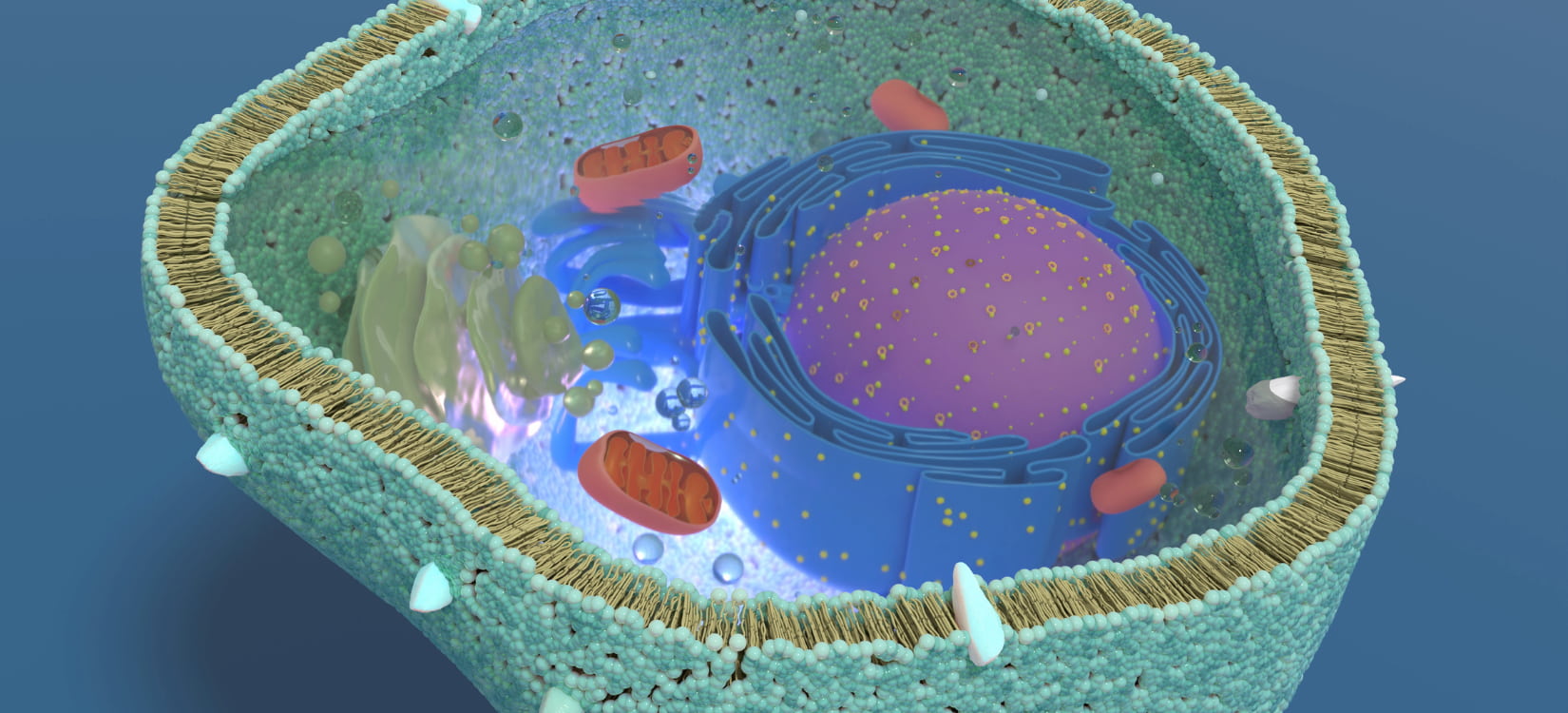
Mitochondria are specialized structures found inside nearly every cell in the body. Each mitochondrion acts as a miniature energy factory, converting nutrients and oxygen into ATP (adenosine triphosphate), the primary energy currency of the body.
Beyond energy production, the role of mitochondrial activity extends to:
- Cellular signaling
- Regulation of inflammation
- Apoptosis (programmed cell death)
- Reactive oxygen species (ROS) balance
- Immune system coordination
Because of this, mitochondrial function influences nearly every system in the body.
Why Your Mitochondria Matter
Mitochondrial energy production supports essential processes including brain health, muscle function, detoxification, and hormone regulation. When mitochondria are functioning well, the body is more adaptable and resilient.
When mitochondrial dysfunction occurs, cells may struggle to produce adequate energy. This can lead to:
- Persistent fatigue
- Reduced stress tolerance
- Slower recovery
- Increased inflammation
Over time, damaged mitochondria can contribute to a wide range of chronic conditions.
Mitochondrial Health and Aging
Mitochondrial health is closely tied to the aging process. As we age, mitochondrial efficiency naturally declines. This can result in reduced ATP production, increased oxidative stress, and accumulation of mitochondrial damage.
These changes are associated with:
- Decreased metabolic efficiency
- Cognitive decline
- Reduced physical endurance
- Increased susceptibility to chronic disease
Supporting healthy mitochondria is one of the most important strategies for promoting longevity and maintaining function over time.

Signs of Poor Mitochondrial Function
Mitochondrial dysfunction can present in many ways, often overlapping with other conditions. Common signs include:
- Chronic fatigue or low energy
- Brain fog or difficulty concentrating
- Muscle weakness or exercise intolerance
- Increased sensitivity to stress
- Slow recovery from illness or exertion
- Hormonal imbalances
- Neurological symptoms
These symptoms often reflect impaired cellular energy production rather than a single isolated issue.
Maintaining Healthy Mitochondria
Maintaining mitochondrial health involves supporting both the mitochondria themselves and the cellular environment they depend on.
Healthy mitochondria require:
- Adequate nutrients
- Stable cell membranes
- Balanced oxidative stress
- Efficient detoxification pathways
If the surrounding cellular systems are unstable, mitochondrial function may remain impaired even with targeted support.

Nutrients That Support Mitochondrial Function
Several key nutrients play a direct role in mitochondrial energy production:
- Coenzyme Q10 (CoQ10): Supports the electron transport chain and ATP production
- Magnesium: Required for ATP activation and enzyme function
- B vitamins: Essential for metabolic pathways that generate energy
- Acetyl-L-carnitine: Helps transport fatty acids into mitochondria
- Alpha-lipoic acid: Supports antioxidant defense and mitochondrial repair
These nutrients help improve mitochondrial function, particularly when deficiencies or increased demand are present.
Mitochondrial Disease
Mitochondrial disease refers to a group of genetic conditions that directly affect mitochondrial function. However, mitochondrial dysfunction is far more common and can occur secondary to environmental factors, chronic illness, or prolonged stress.
In many chronic conditions, mitochondrial impairment is not the primary cause—but it plays a significant role in symptom persistence and disease progression.

Root Causes of Mitochondrial Dysfunction
Mitochondrial dysfunction is often driven by multiple overlapping factors, including:
- Chronic infections (such as Lyme disease)
- Environmental toxins and mold exposure
- Oxidative stress
- Long Covid
- Inflammation
- Nutrient deficiencies
- Poor cellular membrane integrity
These factors can lead to mitochondrial damage, reduced ATP production, and impaired cellular signaling.
Lifestyle Strategies to Support Mitochondrial Health
Daily habits play a meaningful role in supporting mitochondrial function. Key strategies include:
- Nutrition: Prioritize whole foods rich in healthy fats, antioxidants, and micronutrients
- Movement: Regular, moderate exercise supports mitochondrial biogenesis
- Sleep: Deep sleep is essential for mitochondrial repair
- Stress management: Chronic stress increases oxidative burden
- Environmental awareness: Reducing toxin exposure helps protect mitochondrial integrity
These foundational practices help support mitochondrial energy production over time.
A Functional Medicine Approach to Optimizing Mitochondria
A functional medicine approach looks beyond symptoms to address the root causes of mitochondrial dysfunction. Rather than focusing only on supplementation, this model evaluates the broader cellular environment.
At Restorative Health Clinic, this includes:
- Comprehensive diagnostic evaluation
- Identification of underlying stressors
- Support for detoxification pathways
- Stabilization of cellular systems
In many cases, improving mitochondrial function requires first addressing cell membrane health, as membrane integrity directly influences mitochondrial signaling. You can learn more about our approach here and how cellular therapies support this process here.
Summary
Mitochondrial health is foundational to energy, resilience, and long-term well-being. These small but powerful structures influence everything from metabolic function to brain health and immune regulation.
When mitochondria are impaired, the effects can be widespread. By addressing the root causes of mitochondrial dysfunction and supporting the cellular environment, it is possible to improve energy production and restore balance over time.
If you are experiencing persistent fatigue, brain fog, or difficulty recovering despite treatment, it may be time to look deeper at your cellular health.
To learn more about the science behind cellular repair and mitochondrial function, explore Dr. Melanie Stein’s book.
Or schedule a consultation to take the next step in your care.
References
- Wallace DC. Mitochondria and cancer. Nat Rev Cancer.
- Picard M, et al. Mitochondrial psychobiology. Neurosci Biobehav Rev.
- Nicolson GL. Mitochondrial dysfunction and chronic disease.
- Institute for Functional Medicine. Mitochondrial health and metabolic function.