
POTS stands for postural orthostatic tachycardia syndrome, a form of dysautonomia. It is a dysfunction of the autonomic nervous system that regulates your heart rate, blood pressure, digestion, and blood flow without you ever having to think about it.
In POTS, simply moving from lying down to standing triggers an abnormal increase in heart rate, often alongside dizziness, faintness, and a cascade of symptoms touching nearly every system in the body.
In this article, you’ll learn what POTS is, what causes it, how it’s diagnosed, and the treatment options, from medications to integrative approaches, that can help you manage it.

Key Takeaways
- POTS syndrome (postural orthostatic tachycardia syndrome) is a form of dysautonomia that disrupts heart rate, blood flow, and blood pressure regulation
- Symptoms go far beyond a racing heartbeat and dizziness, often including brain fog, fatigue, digestive issues, and temperature regulation problems
- POTS has several underlying types and is frequently connected to viral illness, mold toxicity, tick-borne infections, autoimmune conditions, and connective tissue disorders like Ehlers-Danlos syndrome
- Diagnosis is often delayed for years and involves multiple physicians, largely because symptoms overlap with so many other conditions
- Treatment usually combines medications, lifestyle adjustments, and integrative approaches that address the nervous system and underlying drivers, not just the number on a heart rate monitor
What Is POTS?
POTS is a condition in which your heart rate rises abnormally when you move from lying or sitting to standing. Normally, your autonomic nervous system constricts blood vessels and adjusts heart rate to keep blood flow steady as gravity pulls blood toward your legs.
In POTS, that adjustment doesn’t happen the way it should, so the body compensates by driving heart rate up, sometimes by 30 beats per minute or more within ten minutes of standing. This is the body’s attempt to keep blood pressure from dropping, but it comes with a pounding heartbeat, lightheadedness, and a wave of symptoms that can be exhausting.
Is POTS a form of dysautonomia?
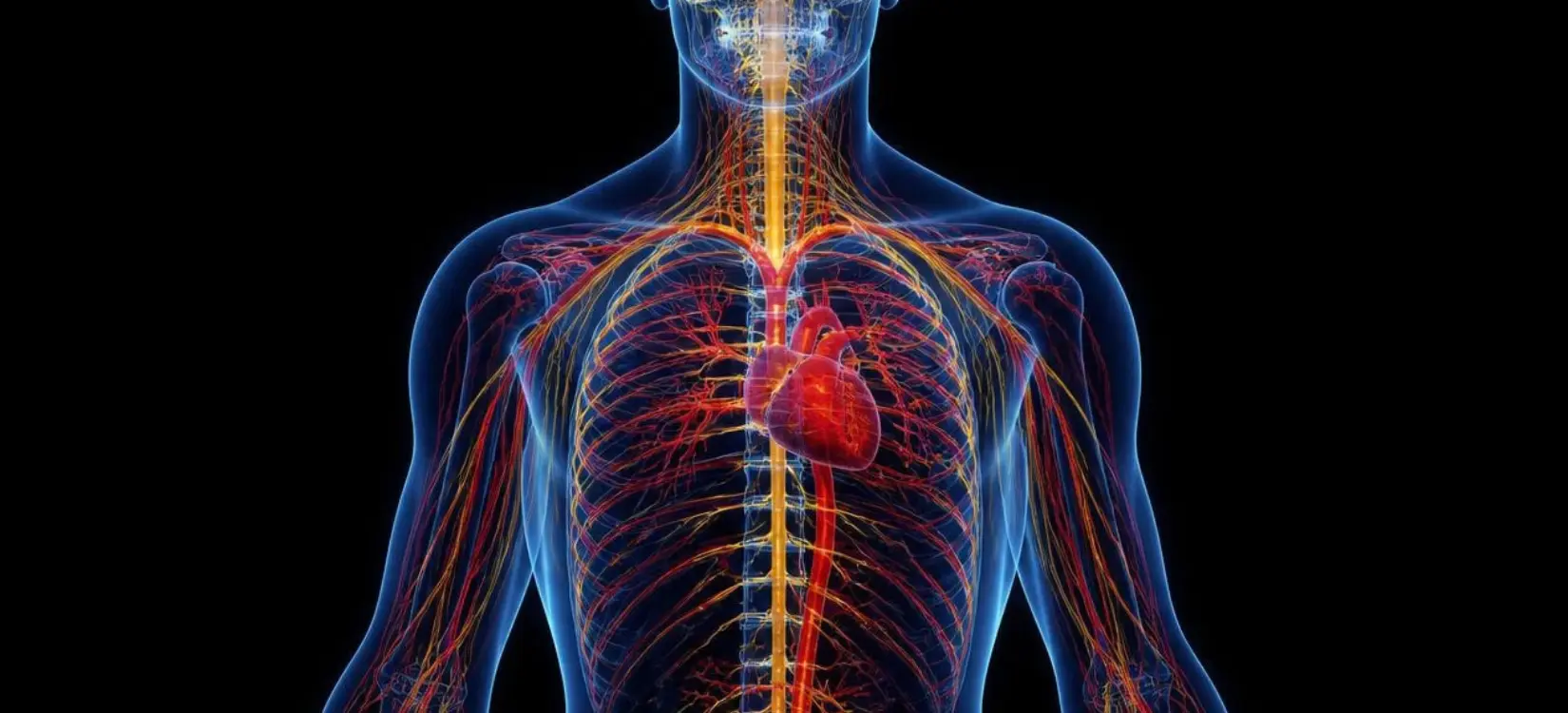
Yes. POTS is one of the most common forms of dysautonomia, a broad term for dysfunction of the autonomic nervous system. The underlying problem in POTS is the nervous system’s inability to properly regulate cardiovascular function, blood volume, and blood vessel tone, which is why POTS is sometimes described as a form of orthostatic intolerance i.e. the body struggling to tolerate an upright position.
What Are the Symptoms of POTS?
POTS symptoms vary from person to person, and they can shift from day to day, which is part of what makes this condition so disorienting. Common POTS symptoms include:
- Rapid or pounding heartbeat (palpitations)
- Lightheadedness or dizziness
- Feeling faint or near-fainting
- Fatigue
- Exercise intolerance
- Brain fog or difficulty concentrating
- Headaches
- Weakness
- Shortness of breath
- Chest discomfort or chest pain
- Shakiness
- Sweating or temperature regulation problems
- Sleep difficulties
- Nausea and other gastrointestinal symptoms
Many patients are told these symptoms don’t add up, or that their labs are normal so nothing is wrong. That’s often because POTS isn’t primarily a heart condition. It’s a nervous system regulation problem that shows up most clearly in heart rate and blood flow.
What does a POTS flare feel like?
A POTS flare often feels like your body suddenly stops cooperating. Your heartbeat quickens for no clear reason, your thoughts become foggy, and you may feel shaky, nauseated, or like you need to lie down immediately. Some describe it as feeling “unplugged,” where simple tasks like showering or standing in line become overwhelming. Flares can last minutes or stretch into days, often leaving you needing extended rest to recover.
What can make POTS symptoms worse?
Several everyday triggers can intensify symptoms, like standing for long periods, heat or hot showers, dehydration or low blood volume, large meals high in refined carbohydrates, alcohol, illness or poor sleep, menstrual cycle changes, and prolonged bed rest.
Recognizing your personal triggers is one of the most practical first steps in managing flare symptoms.
What Causes POTS?
POTS causes aren’t the same for every patient, which is why treatment has to be individualized. Researchers generally describe several underlying types:
- Neuropathic POTS: damage to small nerve fibers that control blood vessel constriction in the legs and abdomen, leading to blood pooling when upright
- Hyperadrenergic POTS: an overactive sympathetic nervous system, causing excess norepinephrine release and a more pronounced heart rate and blood pressure response
- Hypovolemic POTS: lower than normal blood volume, meaning there isn’t enough circulating blood to maintain pressure when standing
- Secondary POTS: develops as a result of another condition, such as an autoimmune disease or connective tissue disorder
Many patients don’t fit neatly into a single category. Most cases involve overlapping mechanisms, which is why a thorough medical history and evaluation matter so much.
Conditions Associated With POTS
POTS rarely shows up in isolation. It’s frequently associated with viral illness or other infections such as:
- Long COVID
- Autoimmune conditions
- Ehlers-Danlos syndrome
- Vascular Compression Syndromes
- Mast cell activation syndrome (MCAS)
- Tick-Borne Infections
- Mold Toxicity
These overlapping conditions share common threads, such as immune dysregulation, nervous system dysfunction, and impaired blood flow regulation. This is why patients with POTS often carry several diagnoses at once, and why treating POTS in isolation rarely resolves the full picture.
Can POTS develop after an infection?
Yes. POTS and long COVID are now well documented together, and COVID-19 has become one of the more recognized triggers for new-onset POTS.
But this pattern isn’t new.
Viral illness, including mononucleosis, has long been linked to the onset of POTS symptoms, sometimes appearing weeks or months after the initial illness resolves. Viral illness can disrupt the immune and nervous systems enough to tip a vulnerable system into dysautonomia.

Who Is More Likely to Develop POTS?
POTS disproportionately affects women.
An estimated 85 to 90 percent of POTS patients are female, most between the ages of 12 and 50, which has led researchers to explore possible hormonal and connective tissue influences.
Adolescents and young adults are commonly affected, often around growth spurts, puberty, pregnancy, or following a viral illness. People with a family history of dysautonomia, connective tissue disorders like Ehlers-Danlos syndrome, or autoimmune conditions also appear to carry a higher risk.
Because POTS spans such a wide range of presentations, it’s frequently missed in patients who don’t fit the expected profile.
How Is POTS Diagnosed?
Getting a POTS diagnosis is rarely quick. POTS patients experience an average diagnostic delay of over four years and see an average of seven physicians before receiving an accurate diagnosis, and 76 percent are misdiagnosed first, often with anxiety, dehydration, or deconditioning offered as explanations instead.
What happens during a POTS evaluation?
A proper POTS evaluation starts with a detailed medical history, including when symptoms began, what triggers them, and whether they followed an illness, surgery, or major hormonal shift. From there, your provider checks your heart rate and blood pressure while lying down, then again after you stand, since a significant heart rate increase without a corresponding drop in blood pressure is a hallmark finding.
The Tilt-Table Test
The tilt table test is one of the most definitive tools for diagnosing POTS. You’re secured to a table that gradually tilts from lying flat to near vertical while your heart rate and blood pressure are continuously monitored, allowing providers to observe your cardiovascular response without the variability of standing on your own.
What other tests might be needed?
Because POTS overlaps with so many other conditions, additional testing is often needed to diagnose POTS accurately. This may include bloodwork to assess thyroid function, blood volume, and autoimmune markers, an EKG or echocardiogram, and in some cases, autonomic function testing or evaluation by a cardiologist or neurologist.
What else can cause similar symptoms to POTS?
Several conditions can mimic POTS, which is part of why an accurate diagnosis takes time. Anxiety and panic disorders can cause a racing heartbeat, but typically without the same standing-related pattern. Anemia, thyroid dysfunction, dehydration, and certain heart arrhythmias can also produce similar symptoms.
Deconditioning after prolonged illness or bed rest can independently cause orthostatic intolerance and sometimes coexists with true POTS. A careful evaluation, rather than a single test, ultimately separates POTS from its look-alikes.

How Is POTS Treated?
There’s no single treatment for POTS, because the underlying causes differ from patient to patient. Effective POTS treatment usually addresses several layers at once: increasing blood volume, supporting blood vessel tone, calming an overactive nervous system, and improving cardiovascular conditioning over time. Most treatment plans combine non-drug strategies, such as increased fluid and salt intake, compression garments, and structured reconditioning, with medications when symptoms are more severe.
Because POTS is so closely tied to nervous system regulation, treatment options that only target heart rate often fall short if the deeper drivers, like blood volume, inflammation, or autonomic dysfunction, aren’t also addressed. The goal isn’t just to lower a number on a monitor. It’s to restore the body’s ability to regulate itself.
Medications for POTS
Several medications are commonly used to help manage POTS symptoms, often in combination and always guided by a physician familiar with your full history:
- Beta blockers: blunt the excessive heart rate response, particularly in hyperadrenergic POTS
- Ivabradine: lowers heart rate without the blood pressure effects of traditional beta blockers
- Midodrine: constricts blood vessels to help maintain blood pressure and reduce blood pooling in the legs
- Fludrocortisone: helps the body retain sodium and fluid to increase blood volume
- Pyridostigmine: supports nervous system to blood vessel communication, which can improve vessel tone
- Other options: including SSRIs or SNRIs in select cases, and desmopressin for significant fluid loss
Medication decisions should always be individualized, since what helps one POTS patient can worsen symptoms in another. This is one reason a thorough evaluation matters more than a standard protocol, and you should always do this under the supervision of a physician.
Integrative Approaches to POTS
Medications can help manage symptoms, but they rarely address why the nervous system became dysregulated in the first place. This is where an integrative treatment for POTS becomes valuable, because it looks at the whole system rather than isolating heart rate alone.
Nutrition and POTS: Fluid and sodium intake support blood volume immediately, but nutrition support for POTS often goes further, addressing blood sugar stability and gut health, both of which influence nervous system function and inflammation.
Exercise and physical rehabilitation: A structured, gradual reconditioning program, often starting seated or reclined, helps rebuild cardiovascular tolerance. This has to be paced carefully, since overexertion can trigger a flare, but avoiding movement altogether tends to make symptoms worse.
Stress, sleep, and nervous system regulation: Therapies that calm an overactive sympathetic nervous system, such as breathwork, vagus nerve support, and consistent sleep habits, can meaningfully reduce symptom severity over time.
Addressing root triggers: For patients whose POTS developed after a viral illness, autoimmune activation, or MCAS, addressing that underlying driver is often what allows real improvement.
All of these should be done under guidance of a physician as every body is different and your system might not be able to handle extra sodium, a certain diet or increased exercise.

Supplements and POTS: What Does the Evidence Show?
Some patients find that specific supplements support their POTS treatment plan, though the evidence base is still developing and results vary by individual. Electrolyte support, particularly sodium and potassium, is commonly used alongside increased fluids.
Magnesium, B vitamins, and CoQ10 are sometimes considered to support nervous system and mitochondrial function, and compression garments are frequently recommended alongside these strategies to support blood flow.
Because POTS involves so many overlapping systems, supplement choices should be guided by your individual labs and history rather than a generic list, ideally as part of a broader natural treatment for POTS plan by your physician.
Can POTS Be Cured?
There isn’t a guaranteed cure for POTS, but improvement is possible.
Many patients see significant symptom reduction, and some experience long periods of remission without needing intervention, especially when they identify and address the underlying drivers rather than just the symptoms. Adolescents in particular sometimes see symptoms improve with age.
For others, POTS becomes a chronic condition managed through medications, lifestyle strategies, and integrative support. The goal is functional improvement and a better quality of life, even if the label doesn’t go away.
Living With POTS
Living with POTS often means learning to work with your body’s limits rather than pushing through them. Pacing activities, staying ahead of hydration and salt needs, and recognizing early warning signs of a flare can prevent a bad day from becoming a bad week.
Many patients also benefit from a care team who understands dysautonomia, since POTS symptoms cross so many specialties. Perhaps most importantly, a provider who validates what you’re experiencing, rather than dismissing it, changes how manageable this condition feels day to day.

Summary
POTS is a form of dysautonomia that disrupts how the body regulates heart rate, blood pressure, and blood flow when standing. Symptoms extend well beyond a racing heartbeat, touching energy, cognition, and digestion. Diagnosis often takes years, but understanding the underlying type and associated conditions makes an accurate POTS diagnosis possible.
Treatment, whether through medications, integrative approaches, or both, works best when it addresses the nervous system as a whole rather than symptoms in isolation.
If you’ve been told your labs are normal but you still don’t feel like yourself, you deserve a deeper look. Dr. Melanie Stein specializes in complex, treatment-resistant conditions like POTS, going beyond symptom management to understand why your nervous system isn’t regulating the way it should. Schedule a consultation to build a treatment plan that fits your body.
POTS Frequently Asked Questions
Is POTS a heart condition? POTS is not primarily a heart condition. It involves the autonomic nervous system’s regulation of heart rate and blood flow, not structural heart disease. That said, cardiovascular symptoms like a rapid heartbeat and chest discomfort are common, so a cardiologist is often part of the evaluation team.
Can POTS go away? POTS can go away or improve significantly for some patients, especially adolescents. For others, it becomes a chronic condition managed through ongoing treatment. No one can predict this with certainty for every patient, but early, root-cause-focused care tends to support the best outcomes.
What are the first symptoms of POTS? Early symptoms of POTS typically include lightheadedness or dizziness when standing, a noticeably rapid heartbeat, and fatigue. Some people also notice brain fog or feeling faint during everyday activities like showering or standing in line.
Can POTS be caused by COVID? Yes, POTS can be caused by COVID. POTS and long COVID have become closely associated, with COVID-19 recognized as a trigger for new-onset POTS in a subset of patients. This mirrors a pattern seen with other viral illnesses long before the pandemic.
Is POTS an autoimmune disease? POTS itself is not classified as an autoimmune disease, but autoimmune activity is believed to play a role in some cases, particularly secondary POTS. POTS also frequently coexists with autoimmune conditions.
Can you exercise with POTS? Yes, you can exercise with POTS, and structured exercise is actually a core part of most POTS treatment plans. The key is to start slowly, often in a reclined or seated position, and progress gradually to avoid triggering a flare. Always do so under supervision of your physician.
What foods should you avoid with POTS? Large, high-carbohydrate meals can worsen POTS symptoms by pulling blood flow toward digestion. Alcohol and excessive caffeine can also aggravate symptoms in some patients and are best avoided. Individual tolerance varies.
Does drinking more water help POTS? Drinking more water does help POTS for most patients. Increasing fluid intake, usually alongside added sodium, is one of the most common first-line strategies for POTS, since it supports blood volume and can reduce dizziness and faintness. Consult your physician about this option for you.
What is the best treatment for POTS? There isn’t a single best treatment for POTS. The most effective plans combine lifestyle strategies, targeted medications when needed, and integrative approaches that address the underlying drivers behind your specific case.
Do people with POTS need more sleep? Many people with POTS do need more sleep and benefit from prioritizing consistent, quality rest. Sleep difficulties are also a common POTS symptom, which can create a frustrating cycle if left unaddressed.
Can POTS cause fatigue and brain fog? Yes, POTS can cause fatigue and brain fog. Reduced blood flow to the brain, combined with nervous system dysregulation, commonly leads to both, and these are among the most disruptive POTS symptoms for many patients.
What is the difference between POTS and dysautonomia? The difference between POTS and dysautonomia is that dysautonomia is the broader category, referring to any dysfunction of the autonomic nervous system, while POTS is one specific, well-defined type of dysautonomia, characterized by an abnormal heart rate increase upon standing.
This blog post is for educational purposes only and isn’t medical advice. Every body is different, and what’s right for one person may not be right for you. Always talk with your own doctor or healthcare provider before making changes to your health, medications, or supplements.
References
- Dysautonomia International. 10 Facts Physicians Should Know About POTS. www.dysautonomiainternational.org/pdf/10FactsAboutPOTS.pdf
- Shaw, B. H., et al. (2019). The face of postural tachycardia syndrome: insights from a large cross-sectional online community-based survey. Autonomic Neuroscience. www.autonomicneuroscience.com/article/S1566-0702(18)30074-2/pdf
- Sheldon, R. S., et al. (2015). 2015 Heart Rhythm Society expert consensus statement on the diagnosis and treatment of postural tachycardia syndrome, inappropriate sinus tachycardia, and vasovagal syncope. Heart Rhythm
- Raj, S. R. (2013). Postural tachycardia syndrome (POTS). Circulation
- Fedorowski, A. (2019). Postural orthostatic tachycardia syndrome: clinical presentation, aetiology and management. Journal of Internal Medicine
- Vernino, S., et al. (2021). Postural orthostatic tachycardia syndrome (POTS): State of the science and clinical care from a 2019 National Institutes of Health Expert Consensus Meeting. Autonomic Neuroscience
- Blitshteyn, S., & Whitelaw, S. (2021). Postural orthostatic tachycardia syndrome (POTS) and other autonomic disorders after COVID-19 infection: a case series of 20 patients. Immunologic Research
- Miglis, M. G., et al. (2020). A case report of postural tachycardia syndrome after COVID-19. Clinical Autonomic Research
- Kavi, L. (2022). Postural tachycardia syndrome and long COVID: an update. British Journal of General Practice
- Centers for Disease Control and Prevention (CDC). Long COVID and Autonomic Dysfunction
- National Institute of Neurological Disorders and Stroke (NINDS). Dysautonomia Information Page